Mapping the Immune System: The First Comprehensive Atlas of Siglecs Receptors
A first of its kind mapping of Siglecs receptors in the immune system reveals a complex mechanism of cellular self recognition. While the new study does not offer an immediate clinical solution, it establishes a critical and reliable database for the future development of precision immunotherapy.


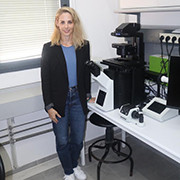
Researchers at the Faculty of Life Sciences at Tel Aviv University, led by Prof. Vered Padler Karavani from the Shmunis School of Biomedicine and Cancer Research, together with collaborators from the University of Alberta, have addressed a long-standing debate in immunology. In a recent study published in Nature Communications, the team presented the first comprehensive atlas mapping the activity of Siglecs receptors in the human immune system.
Historically, the scientific data regarding these receptors was inconsistent, severely limiting their therapeutic application. The current study systematically evaluated 14 functional human Siglecs across extensive cell and glycan arrays. The mapping reveals that the self-recognition mechanism of these receptors, as well as their binding strength to sialic acid, varies significantly across different types of immune cells.
This nuanced cellular profiling helps explain how certain cancer cells exploit these natural self-regulation mechanisms to evade immune detection. Prof. Padler Karavani notes that this delicate balance directly affects the body's defensive capabilities. While this atlas is a fundamental scientific tool rather than an immediate clinical cure, it provides the precise, data-driven foundation required to develop targeted and effective immunotherapy strategies moving forward.
Want to dive deeper into the science behind the study? Listen to the full interview with Prof. Vered Padler Karavani on the radio show "Shlosha Sheyod'im" (Three Who Know) >>
Related Articles